Weather is rarely the reason a pilgrim chooses when to perform Umrah. Spiritual significance, family schedules, and cost usually come first. Even so, understanding what the climate in Makkah and Madinah actually feels like across the year makes a genuine difference to how comfortable the trip is, particularly for elderly travellers, young children, or anyone visiting for the first time and unsure what to expect. This guide walks through the climate pattern month by month and what it means for packing and pacing your rituals.
Understanding the Climate of Makkah and Madinah
Both cities sit within a desert climate zone, which broadly means hot, dry conditions for a large part of the year, low humidity compared to coastal regions, and a noticeable gap between daytime and nighttime temperatures, especially during the cooler months. Rainfall is generally infrequent throughout the year, though short, occasionally heavy bursts can occur outside the peak summer period. None of this changes the spiritual purpose of the journey, but it does shape practical decisions like clothing, hydration, and pacing.
Month-by-Month Weather Overview
December to February: The Coolest Stretch of the Year
This period is generally considered the most comfortable time of year climate wise, with noticeably milder daytime temperatures compared to the summer months. Evenings and early mornings can feel genuinely cool, sometimes cool enough that a light jacket is welcome, particularly for elderly travellers or young children who feel the temperature drop more than others.
March to May: Warming Up Steadily
Temperatures climb steadily through this period as the region transitions out of winter. Early spring can still feel relatively pleasant, but by late April and into May, daytime heat becomes considerably more noticeable, especially during the hours around midday.
June to August: The Peak of Summer Heat
This is the most physically demanding stretch of the year in terms of climate, with high daytime temperatures that make outdoor activity considerably more tiring. Pilgrims travelling during these months, whether for Umrah or in years when Hajj falls within this window, need to plan rituals and Ziyarat visits with the heat firmly in mind rather than treating it as a minor inconvenience.
September to November: Gradual Cooling
Temperatures begin easing during this period as the year moves toward winter. Early autumn can still carry noticeable heat, particularly in September, while October and November typically feel progressively more comfortable as the cooler months approach.
How Heat Affects Your Rituals
Tawaf and Sa’i both involve sustained physical movement, much of it in spaces that are only partially shaded, which makes heat management a genuinely practical concern rather than a minor detail. Dehydration can set in faster than expected, especially for pilgrims who are not used to a hot, dry climate, and this risk climbs considerably during the summer months. Pacing rituals during cooler parts of the day where possible, and treating hydration as a priority rather than an afterthought, makes a meaningful difference to how the experience actually feels.
What to Pack Based on the Season You Travel
Summer Packing Essentials
Lightweight, breathable fabrics help considerably during the hotter months, along with sun protection that is compatible with Ihram requirements for men. Electrolyte supplements or oral rehydration salts are worth packing as well, since replacing lost salts and fluids matters more than water alone during periods of intense heat and physical activity.
Winter Packing Essentials
A light jacket or shawl for the cooler evenings makes a genuine difference during the winter months, along with layering options that can be added or removed as the temperature shifts between day and night. This is particularly worth keeping in mind for elderly travellers, who often feel a cool evening more sharply than younger members of a family group.
Why Ramadan Weather Varies From Year to Year
Unlike the fixed Gregorian months covered above, Ramadan follows the Islamic lunar calendar, which means it shifts roughly ten to eleven days earlier each year relative to the Gregorian calendar. This matters for weather planning because a Ramadan that falls in the cooler winter months one year may fall during peak summer heat a decade later. Pilgrims planning specifically around Ramadan should check where it falls in a given year rather than assuming the climate experience will match a previous Ramadan trip, since the two could feel very different depending on the season it lands in.
How Saudi Arabia’s Climate Compares to Bangalore’s
Bangalore’s relatively mild, moderate climate throughout the year means many first time pilgrims from the city genuinely underestimate how intense the heat in Makkah and Madinah can feel, particularly during the summer months. Bangalore rarely sees the kind of sustained, dry heat common in a desert climate, so travellers used to the city’s weather should mentally prepare for a noticeably different experience rather than assuming their usual comfort level with heat will carry over. This is one of the more common adjustment points we hear about from first time travellers once they return from their trip.
Humidity Differences Between Makkah and Madinah
While both cities share a broadly similar desert climate, Madinah tends to feel slightly less intense than Makkah during the hottest months, partly due to its slightly different geography. This is a subtle difference rather than a dramatic one, but pilgrims planning a longer stay split between both cities may notice a small shift in comfort level when moving from one to the other, particularly during the peak of summer.
Does Weather Affect Which Month You Should Choose?
Weather is one factor worth weighing, but rarely the deciding one for most pilgrims. Crowd levels, overall cost, and the spiritual significance of performing Umrah during Ramadan specifically usually carry more weight in the decision than climate alone. Our guide on what is the good month for Umrah looks at this decision more broadly, covering crowd patterns and cost alongside the climate considerations covered here.
Traveling With Children or Elderly Parents in Extreme Heat
Families travelling during the hotter months need to think carefully about pacing when children or elderly parents are part of the group. Building in more frequent rest breaks, scheduling outdoor activity earlier or later in the day rather than around midday, and carrying water at all times becomes considerably more important than it would be during the cooler months. Our guide on travelling for Umrah with kids or elderly parents covers pacing and comfort considerations that apply just as strongly to summer heat as they do to physical stamina more generally.
Weather Considerations if You Are Adding a Stopover
Pilgrims extending their trip with a stopover in a city such as Dubai or Istanbul should note that the climate at that stop can differ meaningfully from Makkah and Madinah, particularly if travelling between very different seasons. Checking the expected weather for your specific stopover city separately, rather than assuming it will match Saudi Arabia’s climate, avoids being caught unprepared with the wrong clothing for that leg of the journey. Our guide on turning your Hajj or Umrah journey into a multi-city trip covers how this kind of extended itinerary is typically planned.
Cooling Infrastructure Inside the Mosques
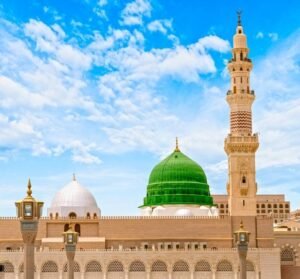
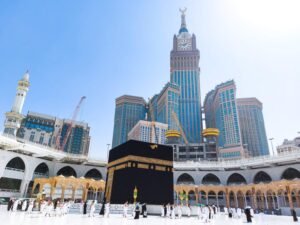
Both Masjid al-Haram and Masjid an-Nabawi have invested heavily in managing heat for worshippers over the years. Cooled marble flooring, extensive air conditioning throughout the indoor prayer areas, and the well known giant retractable umbrellas in Madinah’s courtyard all help reduce the impact of outdoor heat considerably during peak hours. Misting fans are also common in outer courtyard areas during the hottest months. None of this removes the need for personal precautions like hydration and appropriate clothing, but it is worth knowing that a significant amount of thought has already gone into managing heat at both sites, particularly around prayer times when crowds are largest.
Practical Tips for Managing Heat Throughout Your Trip
Carrying a small handheld fan or a spray bottle for cooling down is a simple habit many repeat pilgrims swear by, particularly around the Haram where shaded areas can still feel warm during peak hours. Choosing looser, breathable clothing beyond the Ihram itself for the hours spent in the hotel or moving between locations also helps considerably. Scheduling more demanding activities like extended Ziyarat tours earlier in the morning, rather than during the hottest part of the afternoon, is another small adjustment that makes a noticeable difference over a multi day trip. Pilgrims who choose a hotel closer to the Haram also reduce their overall heat exposure simply by walking less, a factor covered in our comparison of luxury and budget pilgrimage experiences.
How RTW Travel & Tours Helps You Prepare for the Climate
At RTW Travel & Tours, climate and packing guidance form part of the pre-departure briefing we provide to every pilgrim, regardless of which season they are travelling in. This is especially useful for first time travellers who may not know what to expect from a desert climate, a topic we also cover in our first-time Umrah traveller’s guide. Whether you are booking Umrah or Hajj packages from Bangalore, our team factors seasonal conditions into the practical advice we share well before your departure date, drawing on years of experience covered on our about us page.
Planning Around the Season That Suits You Best?
Speak to our team for season specific packing and planning advice tailored to when you intend to travel.
Frequently Asked Questions
What is the hottest time of year in Makkah and Madinah?
The summer months, roughly June through August, are the hottest, often requiring extra care with hydration, pacing, and sun protection during rituals.
Is winter a more comfortable time to perform Umrah?
Many pilgrims find the winter months more comfortable due to milder daytime temperatures, though evenings can feel noticeably cool, which is worth planning for as well.
Does it rain in Makkah or Madinah?
Rainfall is generally infrequent given the desert climate, though occasional short, sometimes heavy bursts can occur outside the peak summer period.
Should I choose my travel month based on weather alone?
Weather is worth considering, but crowd levels, cost, and the significance of Ramadan usually matter more to most pilgrims when choosing a travel month.
What should I pack differently for a summer Umrah trip?
Breathable fabrics, sun protection compatible with Ihram requirements, and electrolyte supplements to help manage fluid loss during periods of intense heat.